Bridging creativity and income reliability
TLDR: Twiva is transforming the opportunity landscape for African creators by replacing sporadic brand deals with structured demand, performance-based earnings, and integrated financial services.
If you spend time with creators across Africa, one truth becomes clear very quickly. Audiences are growing. Platforms are multiplying. Monetisation tools are expanding. But reliable incomes remain an issue.
Even among top-tier creators, income stability is far from guaranteed. Earnings frequently fluctuate due to seasonal brand campaigns, platform algorithm changes, and shifts in audience engagement.

Approximately 60% of African creators earn less than $100 per month from their work, while a minority breaks into four figures on a monthly basis.
This is a structural issue rooted in how most influencer marketplaces on the continent are designed. Earnings are often tied to sporadic campaign briefs, opaque selection processes, and irregular payment cycles, leaving even capable creators exposed to inconsistent month-to-month income.
For most nano and mid-tier creators (Nano influencers have 1,000–10,000 followers, micro 10,000–100,000 followers, Mid-tier 100,000–500,000 and macro 500,000+ followers ), creator income remains heavily dependent on brand partnerships, sponsored content, and digital products/services sales. Sponsored content and brand partnerships account for roughly (28%) of all creator earnings, followed by digital products/services (25%) and physical merchandise sales (14%).
Why the sector works for women
This is one of the rare jobtech sectors where women participate at scale and, in our data, often earn more than men. According to our proprietary data from 180,000+ users on jobtech platforms, three-quarters of all earners in the creative sector are women. Unlike mobility or skilled trades platforms that depend on physical assets, the ability to work after dark, and entrenched networks, creative platforms are mobile-first, require limited assets for entry, and are built around trust, community, and audience engagement – something women tend to excel at. We explore these trends in more depth in our report on Gendered Realities, Inclusive Platforms: What Women Need to Thrive in Jobtech in Africa.
Most importantly, on influencer and digital creator platforms, women are not just participating more than men; they are often outperforming them in terms of earnings. On all platforms in this sector, which are part of our rich dataset, women earn more than men. By contrast, in domestic work, for example, only half of the platforms see women outperforming men in terms of income.

However, income volatility disproportionately affects women who have to balance platform work with caregiving and other domestic informal responsibilities, which remain unpaid in most cases. Women are more than twice as likely as men to rely heavily on a single platform for income, leaving them disproportionately exposed to algorithm shifts or seasonal volatility due to irregular brand campaigns.
Against this backdrop, as our Digital Creative Industry Sector Scan argues, the platforms that are poised for success in the sector are not those that simply match creators to campaigns, but those that help creators operate as businesses with structured demand, recurring revenue, and ownership over how they earn. For women, this shift from gig exposure to creator as business infrastructure is what transforms participation into a durable impact on livelihoods.
Why we invested
Twiva has incredible alignment with our investment thesis for the sector: the income instability in influencer marketplaces (which disproportionately affects women) needs addressing. The platforms that will scale and create quality job opportunities are those that can properly manage demand, not just aggregate talent. Twiva stood out to us for two main reasons: it deeply understands demand, and it deeply understands creators. The platform demonstrates that when you structure demand, embed payments, build skills, and treat creators as distributed businesses, you can build repeat revenue and customers for brands and more durable income for creators.
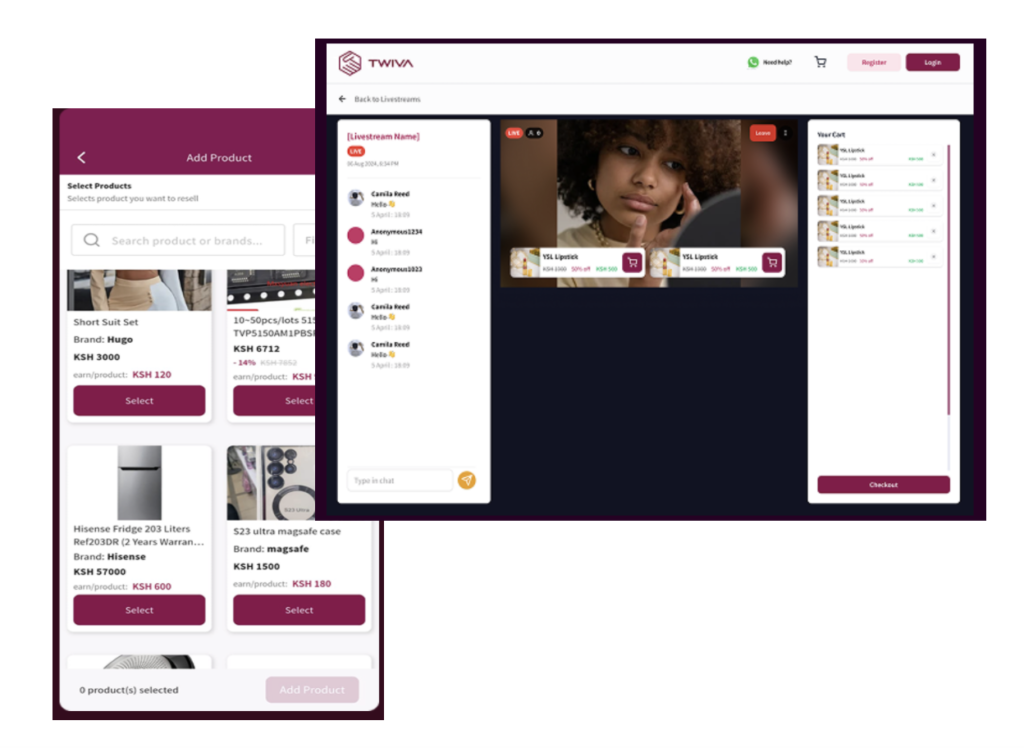
The majority of influencer marketplaces in Africa tend to have a singular focus on discovery. They aggregate talent and hope that demand follows. Twiva does the opposite by structuring demand first. The platform connects brands and SMEs with micro and nano influencers, embedding campaign management, performance tracking, reporting, and structured payments directly into the workflow. Campaigns are increasingly tied to measurable outcomes, which means clicks, conversions, and sales, rather than just awareness. That is because, above all, brands care about ROI, accountability, and repeatable performance.
But Twiva’s strength is not just brand optimisation at the expense of creators; its demand structuring is in service of more predictable creator income – the holy grail for many women users. Women Micro and nano creators cannot access brand work without digital infrastructure. They are not waiting for sporadic deals as they are excluded from agency rosters and formal campaign pipelines. Twiva lowers that barrier by embedding them into structured campaigns where income is tied to performance within clear workflows, with transparent metrics and an embedded payment system. Earnings for their creators become less arbitrary and more predictable.
Crucially, Twiva recognises that micro and nano creators are not just aspiring influencers or creators, but they are distributed sales agents embedded in high-trust networks within their communities. Twiva shifts influencer marketing from audience engagement to conversion, turning creators into measurable revenue drivers for brands and SMEs.
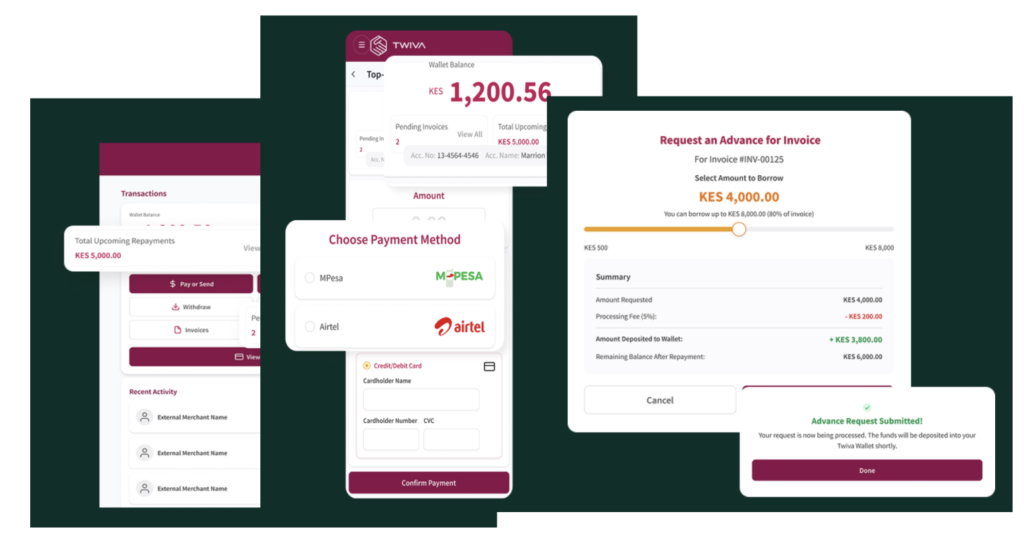
The platform’s Twiva Pay infrastructure is a critical piece of this model. Launched in 2025, Creators can now access campaign advances and receive payments directly through the app, reducing delays and smoothing cash flow between campaigns. For women, faster access to earnings and liquidity can be the difference between opportunity and losing income. Payment timing does not become a factor due to the stable infrastructure Twiva has put in place.
Twiva also invests in capability. Across brand partnerships, commerce, affiliate marketing, influencer marketing and content production. Creators complete modules covering rate cards and pricing, analytics, e-commerce strategy and livestream selling.
This shifts creators from content producers to commercially literate operators who understand funnels, return on ad spend, conversion rates, and attribution. In a market where 40% of creators identify business skills as essential to long-term sustainability, it becomes core to scaling income-generating opportunities.
Today, Twiva works with over 91,000 creators, 60% of whom are women based in Kenya. These are micro and nano influencers accessing structured campaign opportunities that would not exist without digital marketplace infrastructure. For many, Twiva represents access to brand work, sales commissions, and storefront tools that would otherwise be unavailable.
Lessons learned and way forward
Over more than six months, we have been working with the Twiva team, providing bespoke venture support and engaging with creators on the platform. In the process, we confirmed our hypothesis that building the infrastructure to generate consistent, repeat brand demand is the (rewarding!) challenge that platforms need to tackle.
There’s no shortage of creators on the continent as millions of young people are experimenting with digital income streams. Platforms that focus on growing supply only struggle with low transaction frequency and inconsistent creator earnings. Twiva’s approach reinforced our belief that winning in this space requires work on the demand side, understanding how brands think: ROI, reporting, conversion, timelines, accountability. Successful platforms treat brands not just as clients, but as long-term partners.
The African creator economy is evolving. Creators are becoming storefront operators, sales agents, educators, and brand builders. Twiva has positioned itself to tap into this evolution with a focus on scaling quality and recurrent income opportunities, strengthening repeat revenue streams, and improving income predictability for creators, especially women. In our continuing partnership with Twiva, we will explore how exactly structured demand can reduce volatility, especially for women.